Hair Restoration & Scalp Health
PRP, exosome therapy, and hair fillers — evidence-based scalp treatments for thinning, alopecia, and hair loss, tailored to your specific diagnosis for men and women alike. Most patients need 3–4 sessions, with 0–1 day of downtime, and results show in 8–12 weeks. Dr. Anna Lisniak, specialist dermatologist, treats patients at Fayy Health, One Central, Dubai.
Book a Consultation
Sessions Needed
3–4 sessions
Downtime
0–1 day
Results Visible
8–12 weeks
Results Last
Ongoing with maintenance
What It Treats
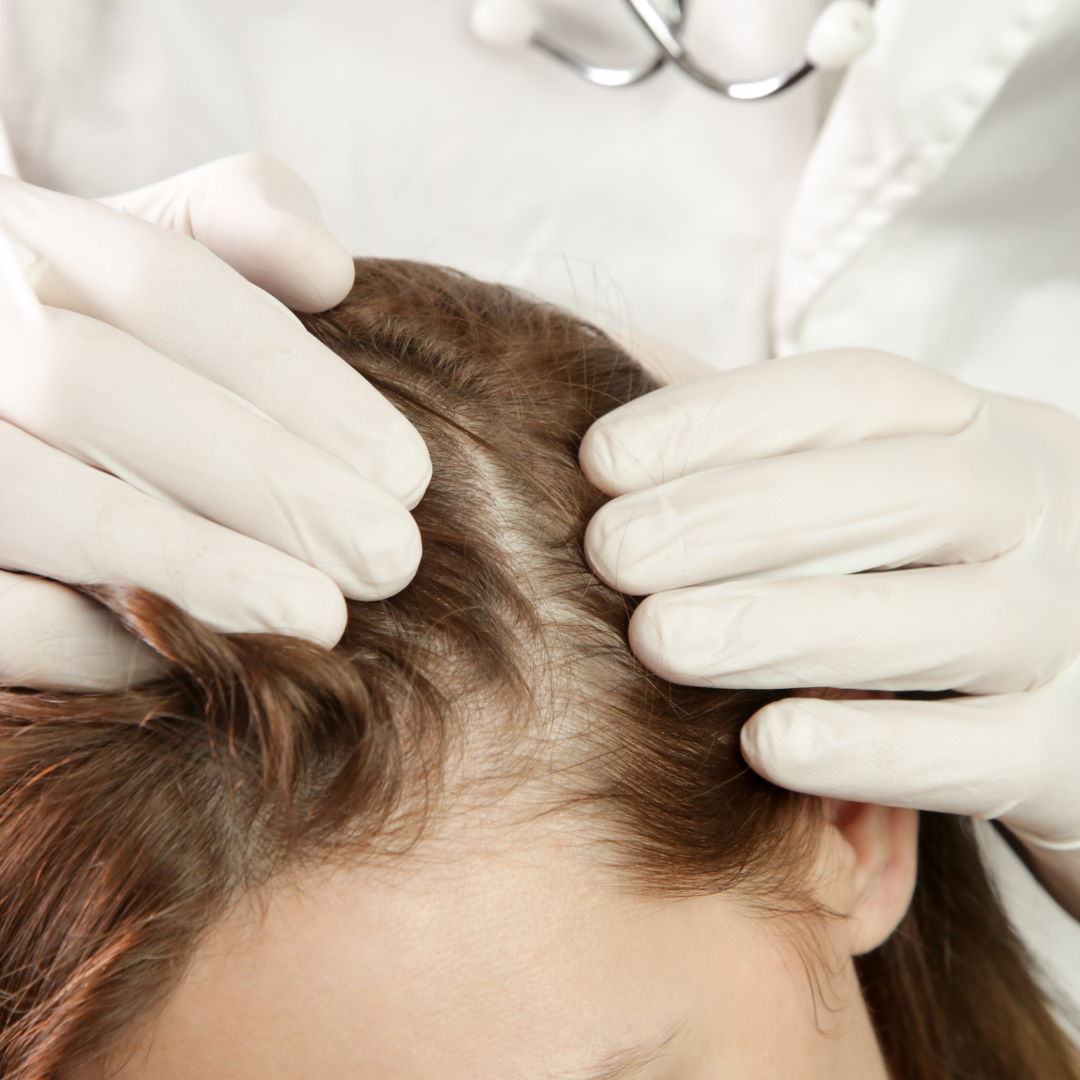
Hair restoration begins with an accurate diagnosis using trichoscopy, followed by a tailored regenerative plan — often combining PRP, exosomes, or hair fillers — to stimulate dormant follicles and improve scalp health.
Before Your Treatment
A little preparation goes a long way toward a comfortable session and optimal results. Dr. Anna will go over a personalised pre-care plan during your consultation — but here's what to generally expect.
After Your Treatment
Most people return to normal activities the same day. The scalp can feel tender for a day or two after injections. Here's a general idea of what to expect.
The scalp may feel slightly tender or sensitive at injection points, typically resolving within a day.
Most patients resume regular hair washing and styling routines without restriction.
Many patients notice reduced hair shedding as follicles respond to treatment.
Fine, new hair growth often becomes visible, with continued thickening over subsequent months.
Aftercare
Following the aftercare plan closely is one of the biggest factors in how well your skin heals and how long your results last. Dr. Anna provides a full written aftercare guide after every session.
Risks & Suitability
PRP, exosomes and hair fillers are scalp injections; side effects are usually mild.
Related: hair loss diagnosis · PRP for hair · female hair thinning · alopecia areata · hair fillers · exosome therapy
For a day or two.
Settle within days.
Reduced by sterile technique.
Scalp infection; pregnancy; low platelets or blood disorders (PRP); long-standing complete baldness, where follicles may no longer respond.
Good to Know
Dr. Anna uses trichoscopy — a magnified scalp examination — to assess follicle health and determine the underlying cause of hair loss before recommending treatment.
Most protocols involve an initial series of 3–4 sessions spaced 4–6 weeks apart, followed by periodic maintenance treatments to sustain results.
Clinical evidence supports PRP and exosome therapy for many forms of hair thinning, particularly androgenetic alopecia, though individual results vary based on the underlying cause and follicle health.
Regenerative treatments work most reliably on follicles that are thinning but still active. Areas with long-term, complete hair loss may have more limited response — Dr. Anna will assess this during consultation.
Most patients notice reduced shedding within 4–8 weeks, with visible new growth typically appearing around 8–12 weeks, and continued improvement over several months.
Hair shedding two to three months after Covid or another illness is usually telogen effluvium. It often settles on its own within six to nine months, but Dr. Anna checks for other causes such as iron, thyroid or hormonal problems, and can support regrowth with treatments such as PRP.
A dermatologist is a medical doctor who can diagnose the cause of hair loss, order blood tests, examine the scalp with trichoscopy and prescribe treatment. Dr. Anna is a specialist dermatologist who treats hair and scalp conditions, including female hair thinning and alopecia areata.
Book a consultation with Dr. Anna for a personalised hair restoration plan.
This information is provided for general educational purposes and does not constitute medical advice. Individual results and suitability vary — a personalised assessment with Dr. Anna is required before any treatment.
Dr. Anna Lisniak, Specialist Dermatologist (DHA licence 77231337-006). Last updated 8 November 2026.