Medical Hair & Scalp Care

Alopecia Areata
Management

A compassionate, medically-guided approach to autoimmune hair loss — combining accurate diagnosis, targeted treatments, and ongoing monitoring to support regrowth and manage flare-ups over time.

Book a Consultation
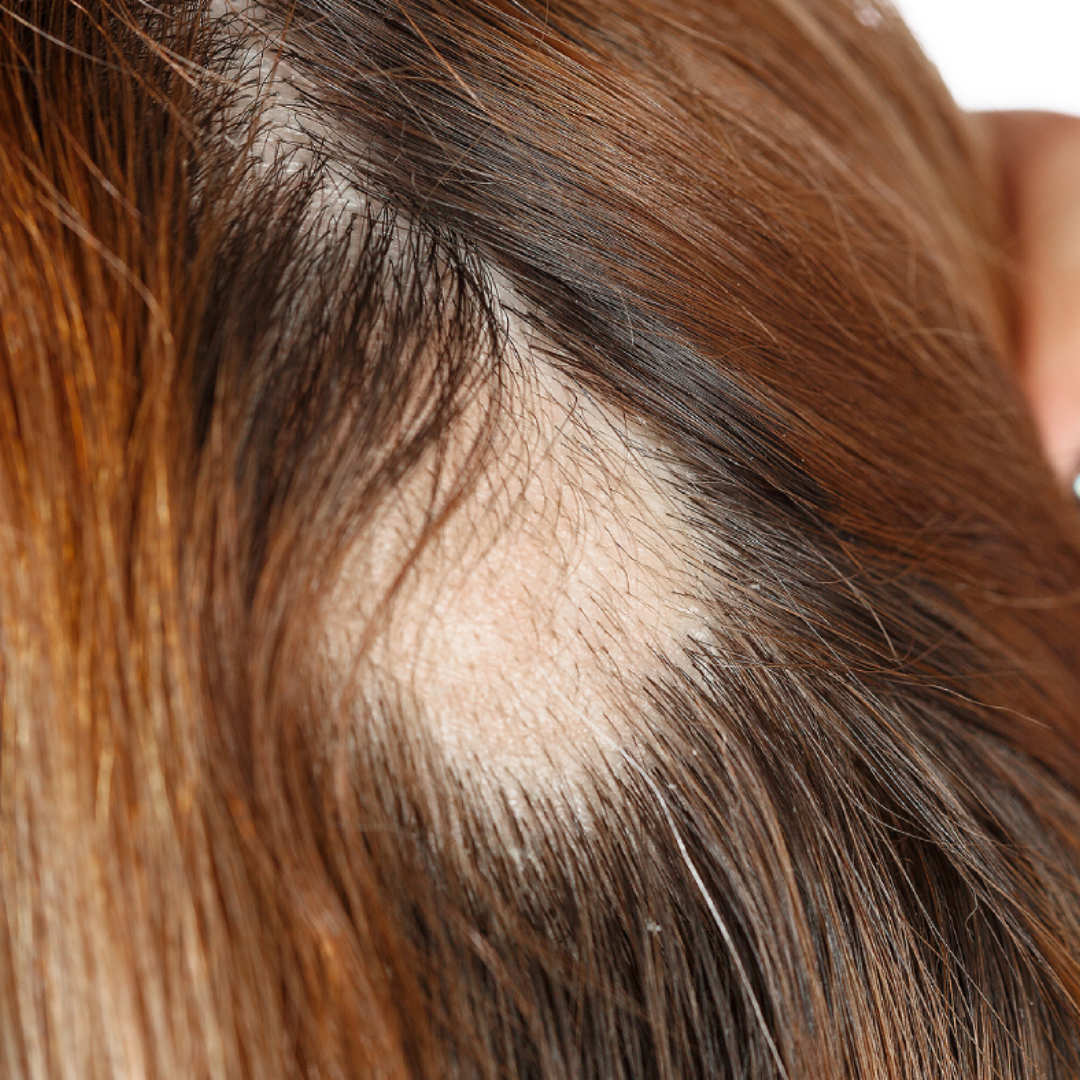
Alopecia Areata Management

Initial Assessment

45–60 minutes

Downtime

None to minimal

Results Visible

8–16 weeks

Follow-Up

Every 4–8 weeks

Managing an
autoimmune pattern

Alopecia areata is an autoimmune condition causing patchy or diffuse hair loss. Dr. Anna combines trichoscopic diagnosis with targeted medical therapies to calm the immune response and support regrowth, tailoring the plan to each patient's pattern and severity.

  • Patchy alopecia areata
  • Diffuse or more extensive alopecia areata
  • Alopecia totalis and universalis (advanced cases)
  • Eyebrow and eyelash involvement
  • Recurrent or flare-prone alopecia areata
  • Nail changes associated with the condition

How to
prepare

Because alopecia areata can have many contributing and co-existing factors, a thorough initial consultation helps Dr. Anna build the most effective management plan.

  • Note when patches first appeared and how they've changed over time
  • Bring a list of any autoimmune conditions in yourself or family members
  • List current medications, supplements, and prior hair loss treatments
  • Avoid concealing products like scalp sprays on the day of your visit
  • Be prepared to discuss stress levels and recent life changes

Your treatment
journey

Alopecia areata management is typically a longer-term, monitored process rather than a single procedure, with treatment adjusted based on your response.

Visit 1

Diagnosis & Baseline

Trichoscopy confirms the pattern and severity of alopecia areata, and a personalised treatment plan is proposed, which may include topical, injectable, or oral therapy.

Weeks 1–8

Active Treatment Phase

Treatment is initiated and closely monitored; early regrowth of fine, often lighter-coloured hair may begin to appear in some patients.

Weeks 8–16

Response Assessment

Progress is reassessed via trichoscopy and photos, with treatment adjusted as needed based on how patches are responding.

Ongoing

Long-Term Monitoring

Because alopecia areata can flare unpredictably, regular follow-up helps catch and manage new activity early.

Ongoing
care

Alopecia areata often requires sustained management rather than a one-time fix, and Dr. Anna supports patients through both treatment and the emotional aspects of the condition.

  • Attend all scheduled follow-up appointments, even once regrowth begins
  • Report any new patches or changes promptly rather than waiting
  • Follow prescribed treatment consistently, as gaps can affect results
  • Manage stress where possible, as it can be a flare trigger for some patients
  • Discuss camouflage or styling options with Dr. Anna if desired during treatment
  • Ask about support resources if the condition is affecting your wellbeing

Frequently asked
questions

Is alopecia areata curable?+

There is currently no permanent cure, but many patients achieve significant regrowth with appropriate treatment, and Dr. Anna focuses on managing flares and maximising regrowth over time.

What treatment options are available?+

Depending on severity, options may include topical or injectable corticosteroids, immunotherapy, minoxidil, or newer oral therapies — Dr. Anna will recommend based on your specific pattern and history.

Will my hair grow back the same colour and texture?+

Regrowing hair sometimes comes in finer or lighter in colour initially, and typically normalises over subsequent growth cycles, though this varies by individual.

Can alopecia areata come back after regrowth?+

Yes, it can recur or flare unpredictably, which is why ongoing monitoring and follow-up are an important part of long-term management.

Is alopecia areata linked to other health conditions?+

It's an autoimmune condition sometimes associated with other autoimmune conditions like thyroid disease, so Dr. Anna may recommend relevant screening depending on your history.

Take the first step
toward regrowth

Book a consultation with Dr. Anna to begin a personalised alopecia areata management plan.

Book a Consultation

This information is provided for general educational purposes and does not constitute medical advice. Individual results and suitability vary — a personalised assessment with Dr. Anna is required before any treatment.