Diagnostic Hair & Scalp Assessment

Hair Loss Diagnosis
& Trichoscopy

A precise, evidence-based starting point for any hair concern — digital trichoscopy identifies exactly what's happening beneath the surface, so your treatment plan is built on facts, not guesswork.

Book a Consultation
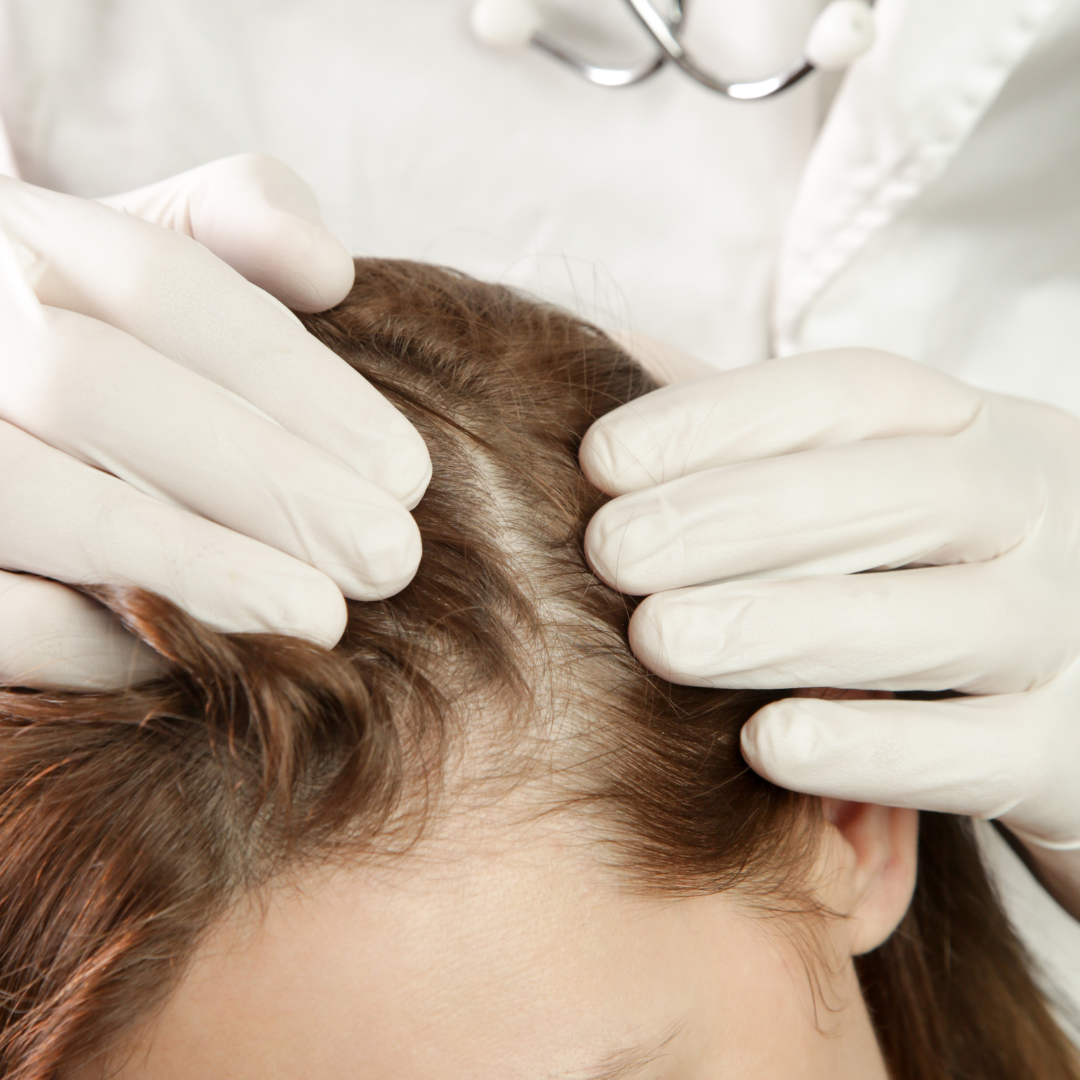
Hair Loss Diagnosis & Trichoscopy

Session Length

30–45 minutes

Downtime

None

Results Visible

Same day

Follow-Up

Every 3–6 months

Getting to the
root of it

Using high-magnification digital trichoscopy, Dr. Anna examines the scalp and hair follicles in detail to distinguish between the many possible causes of hair loss or thinning — the essential first step before recommending any treatment.

  • Androgenetic (pattern) hair loss
  • Telogen effluvium and stress-related shedding
  • Alopecia areata and autoimmune patterns
  • Scalp inflammation or seborrheic conditions
  • Traction alopecia from styling habits
  • Nutritional or hormonal contributing factors

How to
prepare

Trichoscopy is non-invasive and needs very little preparation — but a few small steps help Dr. Anna get the clearest possible picture of your scalp and hair.

  • Avoid washing your hair the morning of your appointment where possible
  • Skip styling products, oils, or serums on the day of your visit
  • Bring a list of current medications and supplements
  • Note when you first noticed shedding or thinning, and any patterns
  • Mention any family history of hair loss

Inside the
assessment

Your diagnostic visit combines a detailed history with digital imaging of the scalp, giving Dr. Anna a clear, evidence-based picture to guide your treatment plan.

Step 1

History & Discussion

Dr. Anna reviews your hair loss timeline, family history, medications, and lifestyle factors that may be contributing.

Step 2

Digital Trichoscopy

High-magnification imaging of multiple scalp areas assesses follicle density, hair shaft thickness, and signs of inflammation or miniaturisation.

Step 3

Pattern Analysis

Findings are compared against known hair loss patterns to identify the underlying cause, or causes, behind your concern.

Step 4

Personalised Plan

You leave with a clear diagnosis and a tailored treatment roadmap, whether that's PRP, medical therapy, or further testing.

Next
steps

Because trichoscopy is diagnostic rather than a procedure, there's no downtime — but the findings shape everything that comes next in your hair health journey.

  • Review your trichoscopy images and diagnosis with Dr. Anna
  • Discuss recommended bloodwork if hormonal or nutritional causes are suspected
  • Begin your personalised treatment plan, if indicated
  • Schedule a follow-up scan in 3–6 months to track progress objectively
  • Photograph your scalp at home only under similar lighting for consistency

Frequently asked
questions

Is trichoscopy painful?+

Not at all — it's a completely painless, non-invasive imaging technique that simply magnifies the scalp and hair follicles.

Can trichoscopy diagnose the exact cause of my hair loss?+

In most cases, yes. Trichoscopy reveals distinct patterns for conditions like androgenetic alopecia, telogen effluvium, and alopecia areata, though bloodwork is sometimes recommended to confirm hormonal or nutritional causes.

Do I need to stop any treatments before my appointment?+

No treatments need to be stopped, though Dr. Anna will want to know about any hair loss medications or supplements you're currently using, as they can affect findings.

How often should I get a follow-up trichoscopy?+

Every 3–6 months is typical when actively treating hair loss, allowing Dr. Anna to objectively track density and follicle changes over time.

Will this tell me if PRP or another treatment will work for me?+

Trichoscopy findings are a key factor in determining which treatments are likely to be effective for your specific pattern and stage of hair loss.

Start with a
clear diagnosis

Book a trichoscopy consultation with Dr. Anna to understand exactly what's causing your hair concern.

Book a Consultation

This information is provided for general educational purposes and does not constitute medical advice. Individual results and suitability vary — a personalised assessment with Dr. Anna is required before any treatment.