Medical Hair & Scalp Care

Female Hair
Thinning Protocols

Female hair thinning is usually linked to hormones, genetics, nutrition, stress or life stages such as pregnancy and menopause. Dr. Anna first finds the likely cause, then combines treatments to slow shedding and support regrowth.

Book a Consultation
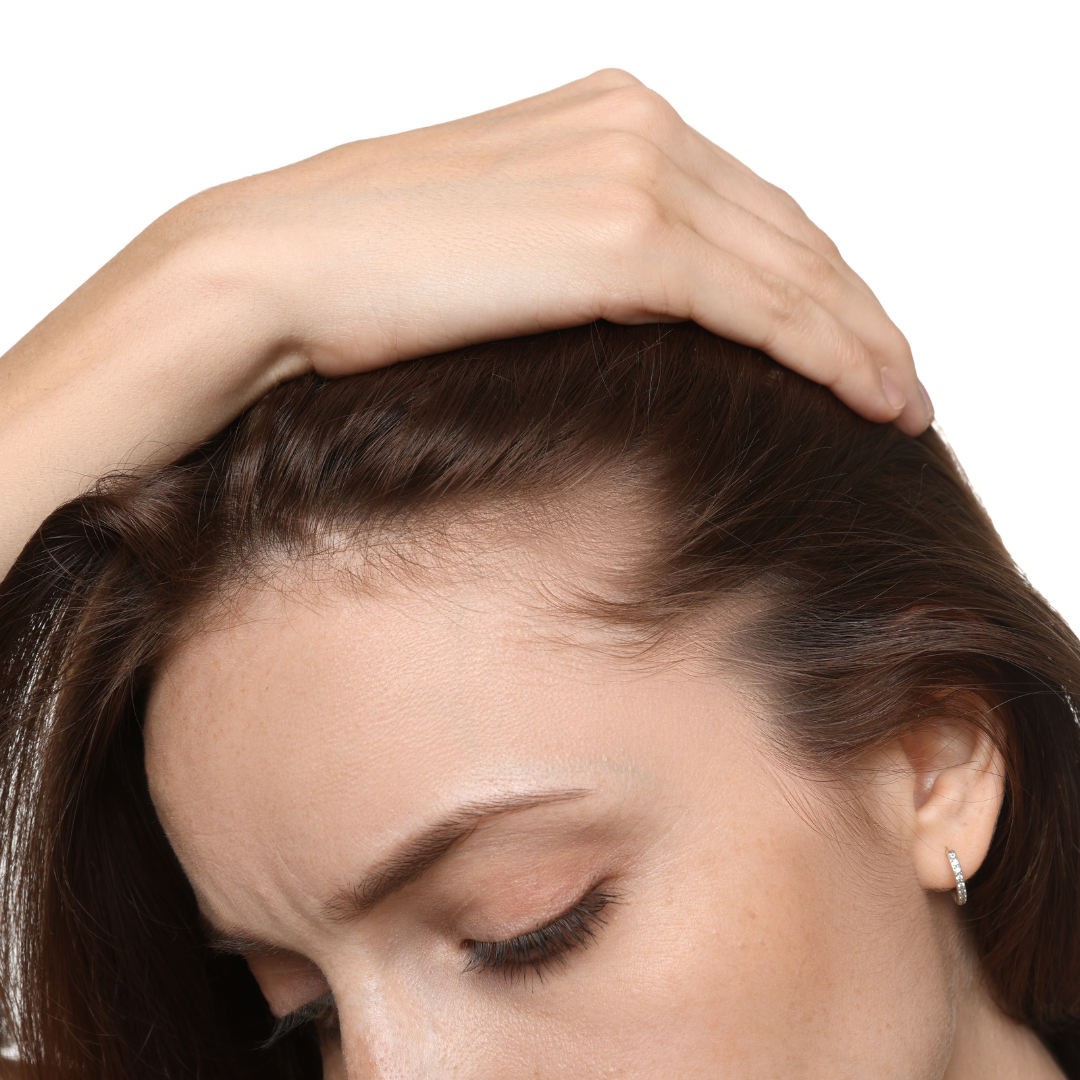
Female Hair Thinning Protocols

Initial Assessment

45–60 minutes

Downtime

None to minimal

Results Visible

10–16 weeks

Follow-Up

Every 8–12 weeks

What causes thinning
in women?

Female hair thinning often has distinct causes and patterns compared to male-pattern loss — hormonal fluctuations, postpartum changes, menopause, and nutritional factors all play a role. Dr. Anna's protocols are built to address this complexity.

  • Female pattern hair loss (androgenetic alopecia)
  • Postpartum shedding and hormonal thinning
  • Perimenopausal and menopausal hair changes
  • Diffuse thinning across the crown and part line
  • Thyroid or nutritional-related hair thinning
  • Traction and styling-related thinning

How do I prepare
for my assessment?

Because hormonal and lifestyle factors are so central to female hair thinning, a detailed initial consultation helps Dr. Anna build an effective, individualised protocol.

  • Note any recent pregnancy, menopause, or hormonal changes
  • Bring recent bloodwork if available, especially thyroid and iron panels
  • List current medications, including birth control or hormone therapy
  • Be ready to discuss diet, stress levels, and hair care habits
  • Avoid washing hair the morning of, if possible, for accurate trichoscopy

What does treatment
involve?

Female hair thinning protocols are typically layered and monitored over months, combining diagnosis, targeted treatment, and lifestyle guidance.

Visit 1

Diagnosis & Bloodwork

Trichoscopy identifies the thinning pattern, and relevant bloodwork may be recommended to check hormonal, thyroid, or nutritional contributors.

Weeks 1–8

Protocol Begins

A combination approach is initiated, which may include PRP, exosome therapy, hair fillers, and/or topical or oral medical therapy based on findings.

Weeks 8–16

Progress Check

Density and shedding are reassessed via trichoscopy and photos, with the protocol adjusted based on your response.

Ongoing

Maintenance Phase

Once results stabilise, sessions are spaced out to a maintenance schedule to sustain density long-term.

How do I keep
the results?

Female hair thinning often benefits from a consistent, long-term approach rather than a single intervention, with lifestyle factors playing a supporting role.

  • Stick to your recommended treatment and follow-up schedule
  • Continue any recommended supplementation as advised by Dr. Anna
  • Minimise tight hairstyles and heat styling where possible
  • Manage stress and prioritise sleep, both of which affect hair cycling
  • Repeat relevant bloodwork periodically if hormonal factors are involved
  • Track progress with photos taken in consistent lighting and angles

What are the risks
and side effects?

Risks depend on the treatments chosen for you; these are the main ones.

Related: hair loss diagnosis · PRP for hair · alopecia areata

Common

Scalp tenderness after injections

For a day or two after PRP, exosomes or hair fillers.

Less common

Shedding at the start

Some treatments cause temporary extra shedding in the first weeks.

Less common

Medicine side effects

Prescription treatments each have their own; Dr. Anna explains them before you start.

Check first

May not suit

Pregnancy, breastfeeding or planning pregnancy (some medicines are not used then); scalp infection; blood disorders (PRP).

Frequently asked
questions

Why is female hair thinning treated differently than male pattern baldness?+

Women's hair thinning tends to be more diffuse and is often driven by hormonal, nutritional, or life-stage factors, so protocols are typically broader and more individualised than standard male-pattern treatment.

Could my hair thinning be hormonal?+

It's a common contributor, particularly around pregnancy, postpartum, and menopause — bloodwork and trichoscopy help clarify whether hormones are playing a role in your specific case.

What treatments are typically combined for female thinning?+

Depending on findings, Dr. Anna may combine PRP, exosome therapy, hair fillers, and topical or oral medical therapy into a layered protocol suited to your pattern and goals.

How long before I see real improvement?+

Most patients begin noticing reduced shedding within 8–12 weeks, with visible density improvements typically building over 4–6 months of consistent treatment.

Will I need to continue treatment indefinitely?+

Many patients move to a lower-frequency maintenance schedule once results stabilise, though ongoing care is generally recommended to sustain results long-term.

A protocol built
for your hair

Book a consultation with Dr. Anna to build your personalised female hair thinning protocol.

Book a Consultation

This information is provided for general educational purposes and does not constitute medical advice. Individual results and suitability vary — a personalised assessment with Dr. Anna is required before any treatment.

Dr. Anna Lisniak, Specialist Dermatologist (DHA licence 77231337-006). Last updated 8 November 2026.