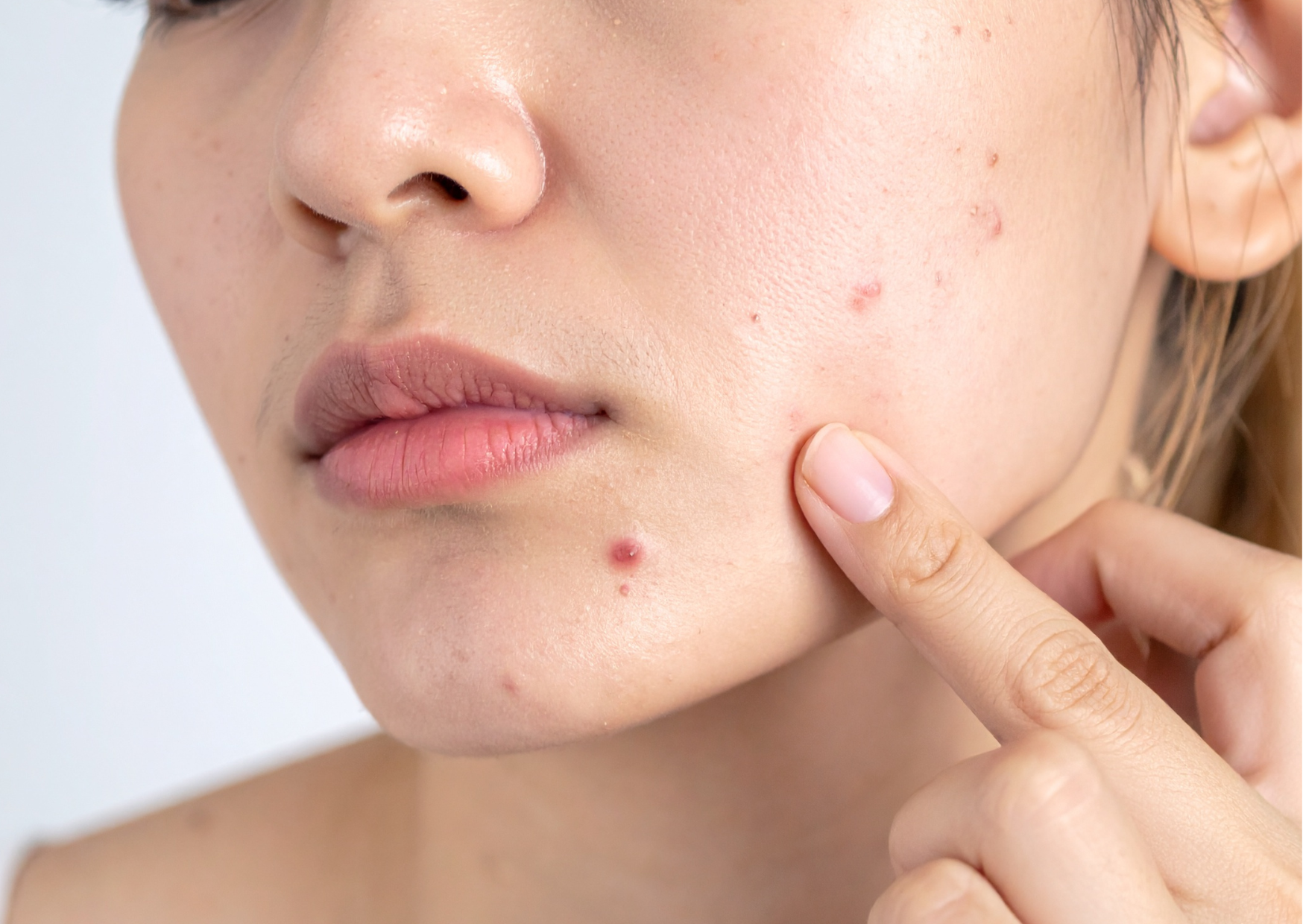
Acne is one of the most common concerns I see across every age group — not just teenagers, but adults navigating hormonal shifts, stress, and skincare trends that promise more than they deliver. While there's no single fix that works for everyone, these five principles form the foundation of nearly every effective acne plan I build with patients.
1. Resist the urge to over-cleanse
It's a common instinct to scrub harder when skin breaks out, but over-cleansing strips the skin's protective barrier, triggering more oil production and irritation in response. A gentle, non-stripping cleanser used twice daily is almost always more effective than an aggressive routine.
2. Introduce actives slowly and consistently
Ingredients like salicylic acid, benzoyl peroxide, and retinoids are genuinely effective for acne — but only with consistent use over weeks, not days. Introducing too many at once often causes irritation that gets mistaken for the product "not working," when in fact the skin simply hasn't been given time to adjust.
- Salicylic acid helps clear pores and reduce blackheads and whiteheads
- Benzoyl peroxide targets acne-causing bacteria directly
- Retinoids normalise cell turnover, preventing clogged pores from forming
Most acne routines fail not because the ingredients are wrong, but because they're changed before they've had time to work.
3. Don't skip moisturiser
Many patients assume moisturising will worsen breakouts, but under-hydrated skin often overcompensates with excess oil. A lightweight, non-comedogenic moisturiser supports the skin barrier and actually makes acne treatments more tolerable, reducing the dryness and irritation that active ingredients can cause.
4. Hands off — really
Picking or squeezing breakouts is one of the most common causes of lingering post-acne marks and scarring. It also spreads bacteria to surrounding skin, often causing new breakouts nearby. If a spot needs extraction, it's worth having it done professionally rather than at home.
5. Know when to see a dermatologist
Over-the-counter routines can meaningfully improve mild acne, but persistent, cystic, or scarring acne usually needs a more targeted plan — which might include prescription topicals, oral medication, or in-clinic treatments depending on the cause. Hormonal acne in particular often requires a different approach than surface-level breakouts.
A note on diet and stress
While diet isn't the root cause of acne for most people, high-glycaemic foods and dairy do appear to worsen breakouts in some individuals, and stress reliably increases oil production via cortisol. Neither replaces a proper skincare routine, but both are worth paying attention to if breakouts feel unusually persistent.
The bigger picture
Clear skin is rarely about finding one miracle product — it's about a consistent, well-matched routine given enough time to work, adjusted as your skin responds. If you've been cycling through products without progress, a consultation can help identify what's actually driving your breakouts.
