Advanced Laser & Energy Technologies

Scar
Treatment

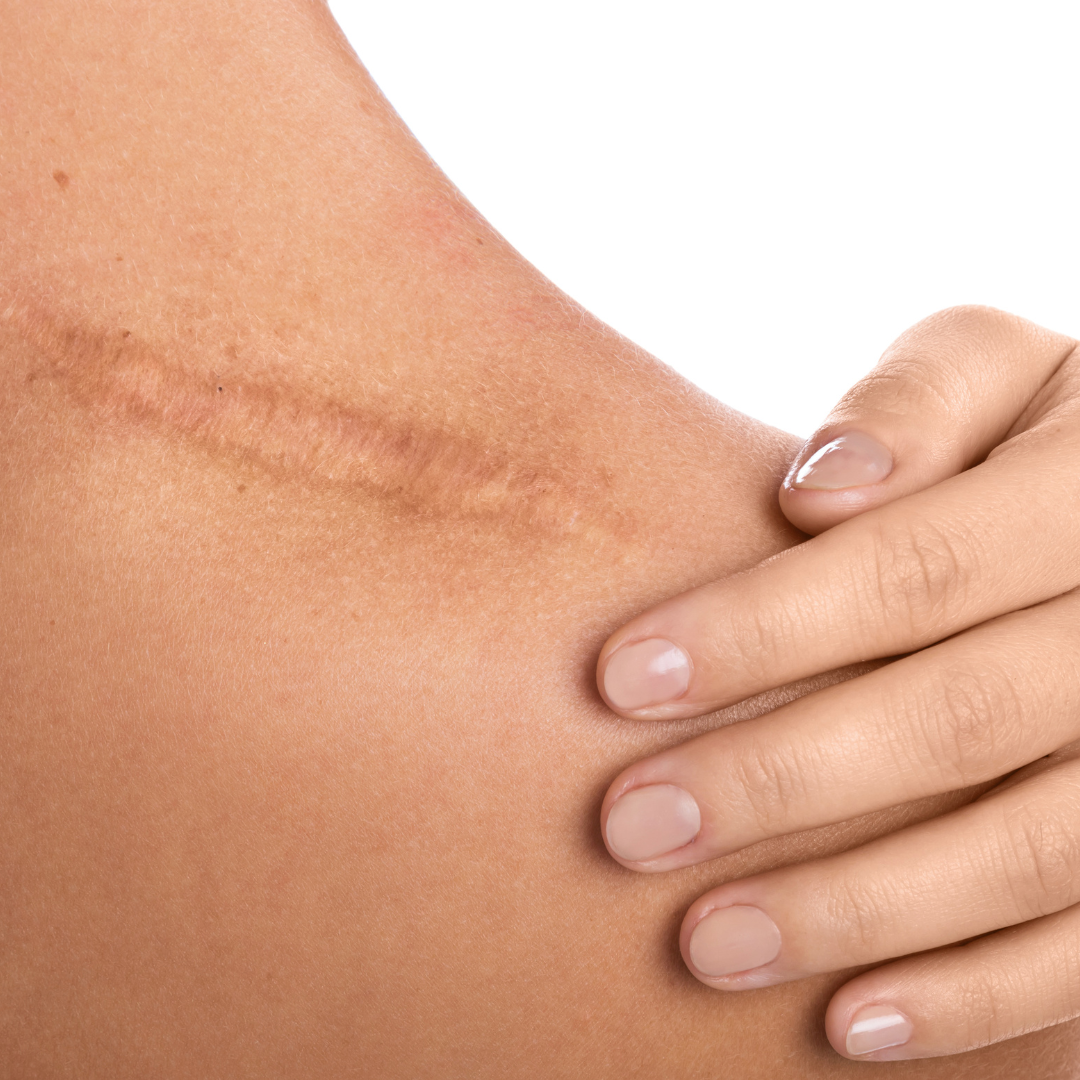
From acne scarring to surgical and traumatic scars, Dr. Anna builds a tailored combination of fractional laser, microneedling, and other proven techniques to soften texture, reduce visibility, and improve how scarred skin look and feels.

Book a Consultation
Scar Treatment

Sessions Needed

3–6 sessions

Downtime

2–5 days

Results Visible

4–6 weeks per session

Full Results

3–6 months

Improving
scar texture

No treatment can erase a scar completely, but the right combination of techniques can meaningfully soften its texture, reduce its colour, and help it blend more naturally with surrounding skin. Dr. Anna designs each plan around the scar's type, age, and depth.

  • Acne scarring, including pitted and boxcar-type scars
  • Surgical scars from prior procedures
  • Traumatic or injury-related scars
  • Raised hypertrophic or keloid scars
  • Post-procedure or post-burn scarring
  • Uneven texture and colour at the scar site
  • Scars that feel tight, raised, or restrict movement

How to
prepare

Because scar treatment is built around a tailored combination of techniques, your preparation plan will be specific to what's recommended for you. Dr. Anna will confirm exactly what to do at consultation.

  • Avoid sun exposure and tanning on the area for at least 2 weeks prior
  • Discontinue retinoids and exfoliating actives 3–5 days before
  • Inform Dr. Anna of any history of keloid or hypertrophic scarring
  • Arrive with clean skin, free of makeup or sunscreen over the area
  • Set realistic expectations — improvement, not removal, is the goal
  • Plan for some downtime depending on the techniques used

Recovery,
day by day

Recovery varies depending on whether laser, microneedling, or injection-based techniques were used, but most patients return to daily activities within a few days while the skin remodels beneath the surface.

Day 1–2

Redness & Swelling

Treated skin feels warm and looks pink or swollen, similar to a mild sunburn. Cool compresses can ease discomfort.

Day 3–5

Peeling or Scabbing

Depending on the method used, light flaking or pinpoint scabbing may occur. Avoid picking — let it shed naturally.

Week 2–4

Skin Settling

Surface healing completes and early improvements in texture and tone begin to appear as the skin continues to renew.

Month 1–3

Collagen Remodelling

The deeper rebuilding process continues well after the surface has healed, with results gradually improving over this period.

Supporting
your results

Consistent aftercare protects your results and reduces the risk of complications like prolonged redness or pigment changes. Dr. Anna provides a written aftercare plan suited to your specific treatment combination.

  • Apply SPF 50 daily — sun protection is essential for healing scars
  • Use a gentle, fragrance-free cleanser and moisturiser
  • Avoid picking or peeling any scabbing or flaking skin
  • Skip the gym, sauna, and swimming pools for about a week
  • Use silicone sheets or gels if recommended for raised or keloid-prone scars
  • Avoid retinoids and active ingredients until fully healed
  • Attend follow-up sessions as part of your treatment series

Frequently asked
questions

Can scars be fully removed?+

No treatment can erase a scar completely, but significant improvement in texture, colour, and overall appearance is achievable for most scar types. Dr. Anna will set realistic expectations specific to your scar during consultation.

How many sessions will I need?+

Most scar treatment plans involve a series of 3–6 sessions spaced 4–6 weeks apart, depending on the scar's type, depth, and how your skin responds along the way.

What's the best treatment for acne scars?+

Acne scarring often responds well to a combination of fractional laser and microneedling, sometimes paired with subcision for deeper, tethered scars. Dr. Anna tailors the exact combination to your scar pattern.

What about keloid or raised scars?+

Raised hypertrophic and keloid scars are usually managed with steroid injections, silicone therapy, and sometimes laser, used carefully to flatten and soften the scar without triggering further overgrowth.

When should I start treating a new scar?+

Timing depends on the type of scar — some benefit from early intervention while others respond best once fully matured, typically around 6–12 months after the original injury. Dr. Anna will advise on the right timing for your scar.

Ready to improve
your scar's appearance?

Book a consultation with Dr. Anna to build your personalised scar treatment plan.

Book a Consultation

This information is provided for general educational purposes and does not constitute medical advice. Individual results and suitability vary — a personalised assessment with Dr. Anna is required before any treatment.