Medical Dermatology
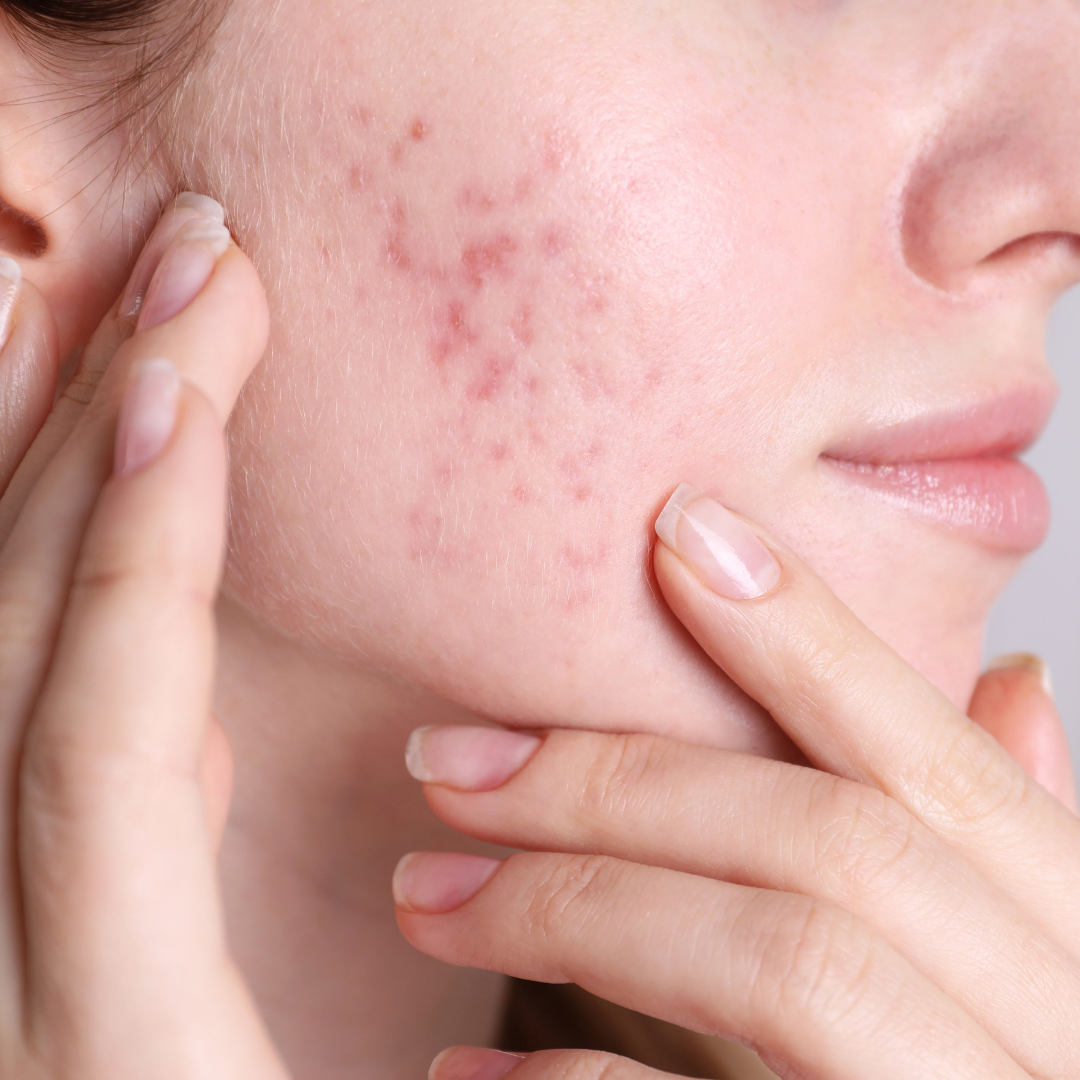
Acne treatment controls active breakouts with prescription skincare or tablets, while scar treatment uses in-clinic procedures such as lasers, microneedling and subcision to soften marks and indented scars. Dr. Anna builds one plan for both, adjusted to your skin type.
Book a Consultation
Sessions Needed
Varies by plan
Downtime
0–5 days
Results Visible
4–6 weeks
Results Last
Ongoing with maintenance
What It Treats
Acne and scarring are treated as two related but distinct concerns. Dr. Anna combines medical management with in-clinic procedures — such as laser resurfacing, subcision, or TCA cross — depending on what your skin needs.
Before Your Treatment
A little preparation goes a long way toward a comfortable session and optimal results. Dr. Anna will go over a personalised pre-care plan during your consultation — but here's what to generally expect.
After Your Treatment
Prescription treatment does not keep you from work or plans, though skin can feel dry or irritated in the first weeks. In-clinic scar procedures bring a few days of redness. Here's a general idea of what to expect.
Treated areas may feel slightly tender or appear pink, particularly after laser-based scar treatments.
Any redness or swelling from in-clinic procedures begins to subside. Active acne treatment plans continue as prescribed.
Skin texture and tone begin to show noticeable improvement as the healing process progresses.
For ongoing acne management, breakout frequency typically reduces. Scar treatments may require repeat sessions for full results.
Aftercare
Following the aftercare plan closely is one of the biggest factors in how well your skin heals and how long your results last. Dr. Anna provides a full written aftercare guide after every session.
Risks & Suitability
Risks depend on the treatments in your plan; these are the main ones.
Related: scar treatment · acne tips · acne marks on darker skin
From topical treatments, especially in the first weeks.
For a few days after laser or microneedling.
Post-inflammatory marks, more likely on darker skin.
Isotretinoin needs blood tests and must not be taken in pregnancy; Dr. Anna explains each medicine before you start.
Pregnancy or planning pregnancy (some medicines are not used then); a recent tan before laser; a history of keloid scars.
Good to Know
Results vary depending on scar type and depth. Many patients see significant improvement, though some scarring may always be partially visible. Dr. Anna will set realistic expectations during your consultation.
Active acne is typically managed medically (topical or oral treatments), while scarring is treated with in-clinic procedures like lasers or subcision — often these run alongside each other.
Yes, in many cases. Dr. Anna will design a plan that controls active breakouts while gradually addressing existing scar tissue.
Yes — protocols are adjusted based on your specific skin type to minimise risk of further pigmentation or irritation.
Improvement in active acne is often visible within 4–6 weeks. Scar treatments typically require several sessions, with gradual improvement over months.
The price depends on whether you need prescription treatment only or in-clinic sessions as well, and how long treatment lasts, so it is set after Dr. Anna has assessed your skin and agreed a plan with you. You receive a personal quote at the consultation, before any treatment starts. Message the clinic on WhatsApp (+971 50 408 9909) to book a consultation.
Book a consultation with Dr. Anna to build your personalised acne and scar plan.
This information is provided for general educational purposes and does not constitute medical advice. Individual results and suitability vary — a personalised assessment with Dr. Anna is required before any treatment.
Dr. Anna Lisniak, Specialist Dermatologist (DHA licence 77231337-006). Last updated 8 November 2026.