Medical Dermatology & Pigmentation
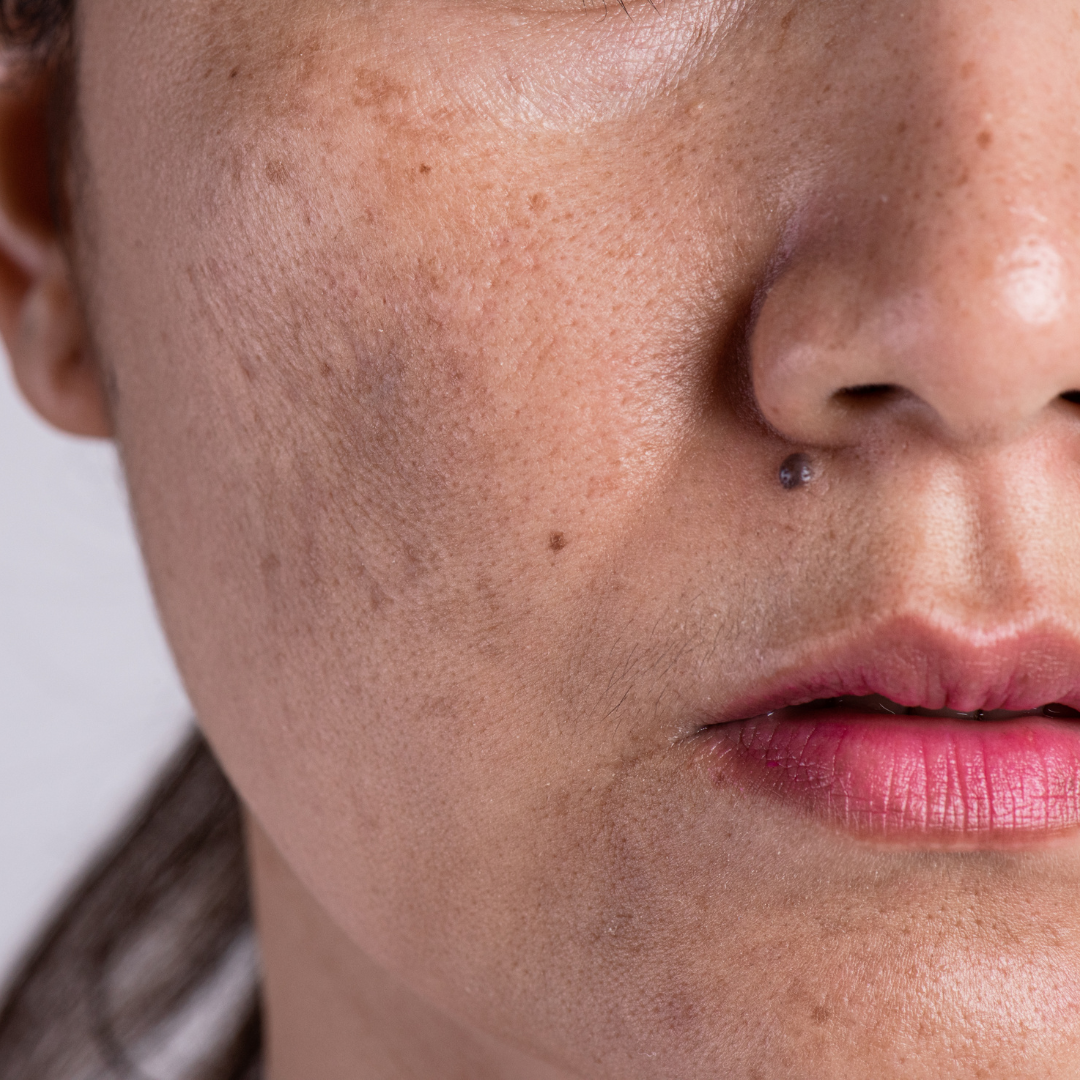
Melasma is a common condition that causes symmetrical brown patches on the cheeks, forehead, nose and upper lip, triggered by sun, heat and hormones. It is managed over months with daily SPF, prescription creams and, where suitable, gentle laser, rather than removed in one visit.
Book a Consultation
Typical Course
Months, not one visit
Laser Sessions
4–6, if used
Downtime
0–2 days per laser session
Maintenance
Daily SPF, ongoing
Understanding Melasma
Melasma develops when pigment cells become overactive in response to triggers. It sits deeper in the skin than ordinary sun spots and reacts to heat and inflammation, so it tends to fade and return. Sun spots and post-acne marks are usually single, sharper spots that respond more predictably to treatment.
Dr. Anna examines the pattern of pigment in clinic to tell them apart, because the treatment plan is different for each.
Triggers
Strong sun all year is the biggest trigger, and heat itself plays a role, so melasma can flare even indoors, in a hot car or after a sauna. Hormonal changes, such as pregnancy or the contraceptive pill, are the other main driver.
Treatment Options
Treatment is layered, and most plans start with skincare before any in-clinic treatment. In-clinic options are chosen carefully, because overly aggressive lasers or peels can trigger rebound pigmentation.
Often the single most important step in preventing flare-ups.
Tranexamic acid, azelaic acid or combination creams to fade pigment gradually.
For more resistant melasma, under medical supervision.
Pico Genesis at low settings, usually 4–6 sessions, alongside skincare.
Laser & Melasma
Yes, if the settings are too strong. Heat and inflammation can trigger rebound pigmentation, which is why low-energy picosecond laser is used, sessions are spaced out, and sun protection continues throughout. Laser is one part of a plan, not a stand-alone fix.
Suitability
Some situations call for waiting or for creams only. Dr. Anna will tell you if laser is not right for you at this point.
Risks & Side Effects
Melasma treatment is gentle, but pigment can react, and melasma can return.
From prescription creams, especially in the first weeks.
Treated pigment can look darker for a few days after laser.
A flare after laser or heat; settings are kept low to reduce this.
Can follow repeated laser treatments.
Stomach upset or period changes; not used with certain clotting risks.
Long-Term Control
Melasma is managed rather than permanently cured, particularly when hormones or genetics play a part. Most people see clearer, more even skin over a few months with consistent care, and keep it that way with daily SPF, a maintenance routine and occasional top-up treatments.
Good to Know
If laser is part of your plan, usually 4–6 sessions spaced a few weeks apart, alongside prescription skincare. Many people need maintenance sessions after that.
Melasma linked to pregnancy or the pill can fade after the birth or after stopping the pill, but it often stays or returns with sun and heat. Dr. Anna can advise whether to treat now or wait.
Tranexamic acid cream suits many people. Tablets are used only in selected cases after a medical check, because they are not suitable for people with certain clotting risks.
Creams usually take 8–12 weeks to show a clear change, and laser results build over a series of sessions. Improvement is gradual.
Many people do better with a short top-up before or after summer. Daily SPF all year is what keeps flare-ups small.
Freckles can be lightened with broadband light (BBL) or a picosecond laser such as Pico Genesis, often in 1–3 sessions. They tend to come back with sun exposure, so daily SPF is part of the plan. In darker skin there is a risk of dark marks, so settings are kept gentle and a test area may be done first.
The price depends on whether you need prescription creams and tablets only or laser sessions as well, and how long maintenance lasts, so it is set after Dr. Anna has assessed your skin and agreed a plan with you. You receive a personal quote at the consultation, before any treatment starts. Message the clinic on WhatsApp (+971 50 408 9909) to book a consultation.
Book a consultation with Dr. Anna to build a melasma plan for your skin.
This information is provided for general educational purposes and does not constitute medical advice. Individual results and suitability vary — a personalised assessment with Dr. Anna is required before any treatment.
Dr. Anna Lisniak, Specialist Dermatologist (DHA licence 77231337-006). Last updated 8 November 2026.