Advanced Laser & Energy Technologies

Pico Genesis &
Melasma Care

Ultra-short picosecond laser pulses target pigmentation, melasma, and uneven tone at their source — a precise, evidence-based approach that's safe across a wide range of skin types, including darker complexions. Most patients need 4–6 sessions, with 0–2 days of downtime, and results show in 3–4 weeks. Dr. Anna Lisniak, specialist dermatologist, treats patients at Fayy Health, One Central, Dubai.

Book a Consultation
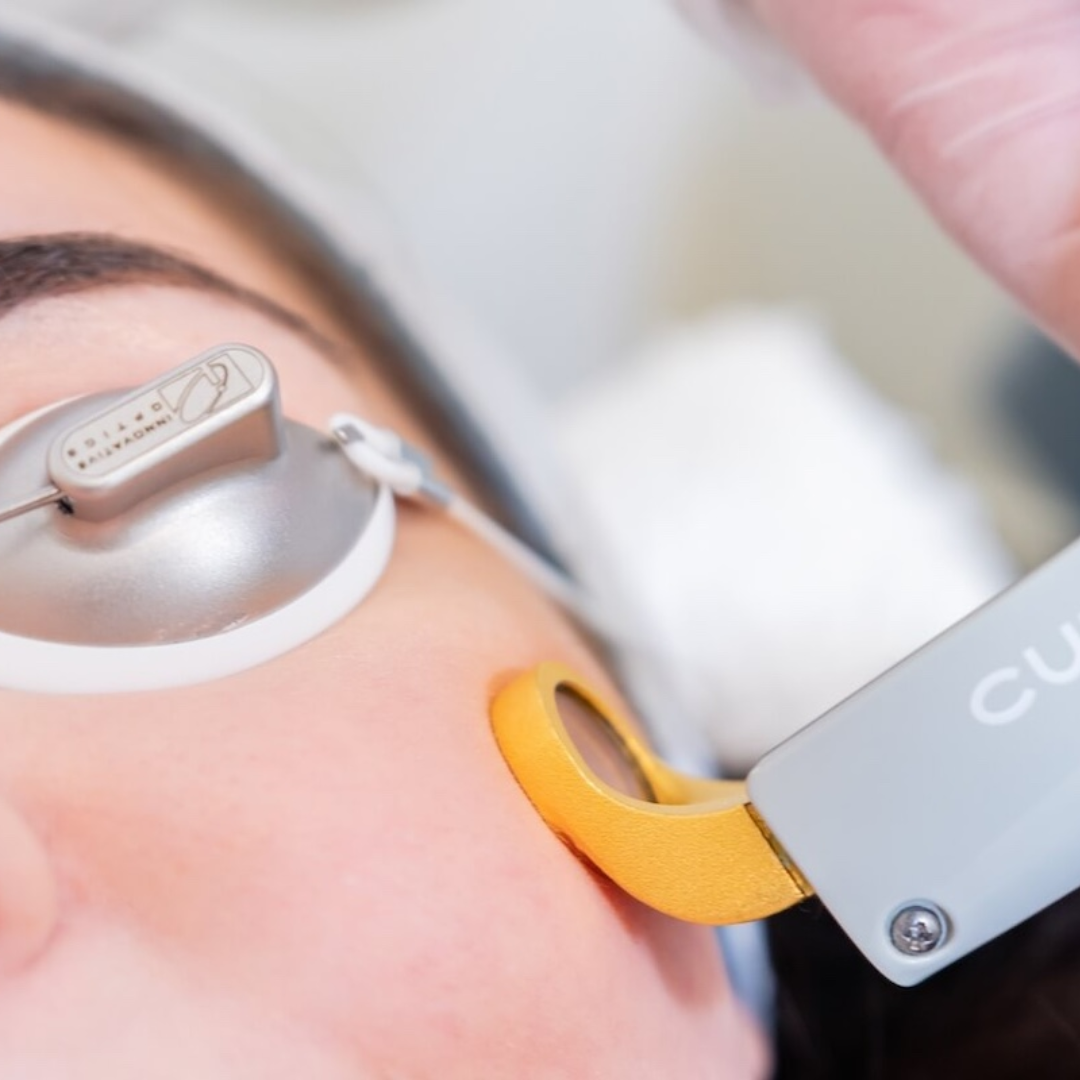
Pico Genesis & Melasma

Sessions Needed

4–6 sessions

Downtime

0–2 days

Results Visible

3–4 weeks

Results Last

Ongoing with maintenance

What does Pico Genesis
treat?

Melasma and stubborn pigmentation often require a multi-pronged approach. Pico Genesis breaks down pigment particles using extremely short laser pulses, while a tailored skincare and sun protection plan helps prevent recurrence.

  • Melasma and hormonal pigmentation
  • Sun spots and age spots
  • Post-inflammatory hyperpigmentation
  • Uneven, patchy skin tone
  • Stubborn dark patches resistant to topical treatment
  • General skin brightening and rejuvenation

How do I prepare
for Pico Genesis?

A little preparation goes a long way toward a comfortable session and optimal results. Dr. Anna will go over a personalised pre-care plan during your consultation — but here's what to generally expect.

  • Avoid sun exposure and tanning for at least 4 weeks prior
  • Discuss any history of melasma flare-ups or hormonal triggers with Dr. Anna
  • Stop using retinoids and exfoliating actives 5–7 days before treatment
  • Begin any prescribed pre-treatment skincare regimen as advised
  • Avoid waxing or other irritating procedures on the treatment area beforehand

What is recovery
like?

Most people have little downtime after Pico Genesis: mild redness for a few hours and, on darker spots, light flaking for a few days. Here's a general idea of what to expect.

Day 1

Mild Warmth

Skin may feel warm or mildly sensitive immediately after treatment, similar to a light sunburn.

Day 2–3

Pigment Darkening

Treated pigment often appears temporarily darker — described as a 'coffee ground' texture — before naturally flaking away.

Day 4–7

Flaking & Fading

Darkened pigment flakes off, revealing brighter, more even-toned skin underneath.

Week 3–4

Cumulative Improvement

With melasma, results build gradually over a series of sessions rather than after just one treatment.

How do I care for
my skin afterwards?

Following the aftercare plan closely is one of the biggest factors in how well your skin heals and how long your results last. Dr. Anna provides a full written aftercare guide after every session.

  • Apply broad-spectrum SPF 50 daily without exception — this is essential for melasma management
  • Follow Dr. Anna's prescribed skincare routine to prevent pigment recurrence
  • Avoid direct sun exposure and wear a wide-brimmed hat outdoors
  • Do not pick at flaking or darkened areas
  • Avoid heat exposure (saunas, hot yoga) which can trigger melasma flare-ups
  • Attend all scheduled sessions, as melasma often requires a longer treatment course

What are the risks
and side effects?

Pico Genesis is gentle compared with resurfacing lasers, but pigment can still react, especially in melasma and darker skin.

Related: melasma treatment in Dubai · dermatology for darker skin · HALO, BBL and Pico Genesis compared · laser tattoo removal

Common

Redness and warmth

Usually settles within a few hours.

Common

Temporary darkening of spots

Treated spots can look darker before they fade.

Less common

Rebound pigmentation

Melasma can flare after laser, which is why low settings and SPF are used.

Rare

Lighter patches (hypopigmentation)

Can follow repeated treatments; may be long-lasting.

Rare

Pinpoint bleeding, blistering

Rare at the settings used for toning.

Check first

May not suit

Pregnancy; a recent tan or sunburn; isotretinoin (Roaccutane) taken in the last 6 months; an active cold sore or skin infection in the area; a history of keloid scars; medicines that make skin sensitive to light. Tell Dr. Anna about any of these before booking.

Frequently asked
questions

Why does melasma keep coming back?+

Melasma is often triggered by hormonal changes, heat, and sun exposure, making it prone to recurrence. Consistent sun protection and maintenance treatments are key to long-term control.

Is Pico Genesis safe for darker skin tones?+

Yes — picosecond technology is generally considered one of the safer laser options for darker skin types when used with appropriate settings, which Dr. Anna will calibrate during your assessment.

How many sessions will I need for melasma?+

Melasma typically requires more sessions than other pigmentation concerns — often 4–6 or more — due to its tendency to recur and its deeper-seated nature.

Can I combine this with skincare products?+

Yes, in fact a combined approach with prescribed topical treatments often gives more lasting results for melasma.

Will the pigmentation be completely gone?+

Significant lightening is achievable, but melasma in particular is a chronic condition that's managed rather than permanently cured — ongoing maintenance is usually required.

Is Pico Genesis the same as an enlighten laser?+

Pico Genesis is a treatment protocol from Cutera, the company that makes the enlighten picosecond laser family. Dr. Anna is an official Cutera key opinion leader and uses Pico Genesis for pigmentation, melasma and skin quality.

How much does Pico laser treatment cost in Dubai?+

The price depends on what is being treated, the area and the number of sessions, so it is set after Dr. Anna has assessed your skin and agreed a plan with you. You receive a personal quote at the consultation, before any treatment starts. Message the clinic on WhatsApp (+971 50 408 9909) to book a consultation.

Ready to even
out your skin tone?

Book a consultation with Dr. Anna to create your pigmentation treatment plan.

Book a Consultation

This information is provided for general educational purposes and does not constitute medical advice. Individual results and suitability vary — a personalised assessment with Dr. Anna is required before any treatment.

Dr. Anna Lisniak, Specialist Dermatologist (DHA licence 77231337-006). Last updated 8 November 2026.