Medical Dermatology & Skin Health

Skin Cancer Screening
& Dermoscopy

Early detection is the single biggest factor in successfully treating skin cancer. Using a dermatoscope to examine moles and lesions in magnified detail, Dr. Anna can identify changes invisible to the naked eye — giving you a thorough, evidence-based skin health check.

Book a Consultation
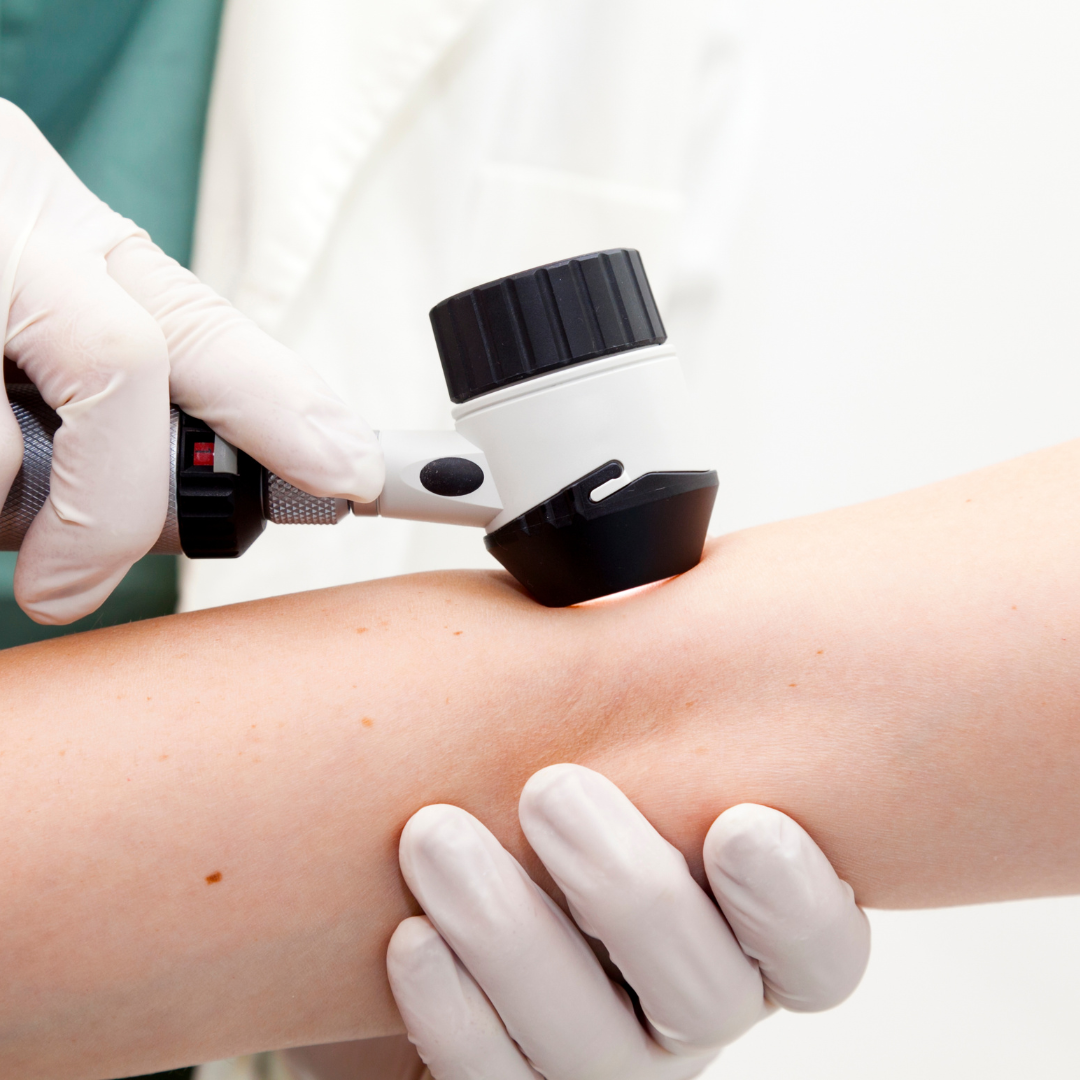
Skin Cancer Screening and Dermoscopy

Appointment Length

20–30 minutes

Downtime

None

Recommended Frequency

Annually, or as advised

Method

Clinical & dermoscopic exam

A thorough
skin health check

A skin cancer screening is a full-body or targeted examination using dermoscopy — a non-invasive technique that magnifies and illuminates the skin to reveal structures beneath the surface. It's recommended for anyone, but especially those with risk factors for skin cancer.

  • New, changing, or unusual-looking moles
  • Lesions matching the ABCDE warning signs of melanoma
  • Suspected basal cell or squamous cell carcinoma
  • A personal or family history of skin cancer
  • Fair skin, many moles, or a history of sunburns
  • Patients wanting a baseline mole map for future comparison
  • General reassurance and preventive skin health monitoring

How to
prepare

A skin check works best when Dr. Anna can examine your skin clearly and you can speak to any changes you've noticed. A few simple steps help make your appointment as thorough as possible.

  • Note any moles or marks that have changed, bled, or become itchy
  • Avoid nail polish and self-tanner so nails and skin tone are visible
  • Wear easily removable clothing for a full-body examination
  • Bring details of previous skin cancers, biopsies, or treatments
  • Mention if close family members have had melanoma or skin cancer
  • Take photos of any specific spots of concern beforehand if helpful

What happens
next

There's no downtime after a screening — it's a diagnostic visit, not a procedure. What happens next depends entirely on what Dr. Anna finds during your examination.

Same day

Findings Discussed

Dr. Anna talks you through what was found, including any lesions monitored, reassured, or flagged for further action.

If needed

Biopsy Referral

Suspicious lesions may be biopsied or removed for laboratory analysis to confirm a diagnosis with certainty.

1–2 weeks

Results Reviewed

If a biopsy was taken, histopathology results are typically available within one to two weeks and discussed with you directly.

Ongoing

Follow-Up Monitoring

A personalised re-screening schedule is set based on your risk profile, with mole-map photos compared at each visit.

Staying
vigilant

Skin cancer prevention and early detection is an ongoing partnership between regular professional checks and what you notice yourself at home in between visits.

  • Perform a self skin-check monthly, including hard-to-see areas
  • Apply broad-spectrum SPF 30–50 daily, year-round
  • Reapply sunscreen every two hours during prolonged sun exposure
  • Avoid peak sun hours and seek shade or protective clothing
  • Report any new, changing, bleeding, or non-healing spots promptly
  • Keep to your recommended re-screening schedule, even if all is well

Frequently asked
questions

How often should I have a skin check?+

For most adults, an annual full-body check is recommended. If you have a higher risk profile — fair skin, many moles, a personal or family history of skin cancer — Dr. Anna may recommend more frequent screening, such as every 6 months.

What is dermoscopy?+

Dermoscopy uses a handheld magnifying device with polarised light to examine the structure of a mole or lesion beneath the skin's surface. It allows for far more accurate assessment than examining a mole with the naked eye alone.

Does the screening hurt?+

No. A screening is entirely non-invasive and painless — the dermatoscope is simply placed gently against the skin. If a biopsy is required afterward, local anaesthetic is used to keep that comfortable too.

What happens if something suspicious is found?+

If a lesion looks concerning under dermoscopy, Dr. Anna will recommend a biopsy or excision so it can be analysed by a pathology laboratory. Most biopsied lesions turn out to be benign, but this step provides a definitive diagnosis.

Who should prioritise regular screening?+

Those at higher risk include people with fair skin, a history of sunburns or tanning bed use, many moles, a family history of melanoma, or a weakened immune system. Dr. Anna can advise on the right frequency for your individual risk level.

Ready for
your skin check?

Book a thorough screening with Dr. Anna for peace of mind and early detection.

Book a Consultation

This information is provided for general educational purposes and does not constitute medical advice. Individual results and suitability vary — a personalised assessment with Dr. Anna is required before any treatment.