Medical & Minor Surgical Dermatology

Mole &
Lesion Removal

Moles and skin lesions can be removed by shave or surgical excision and other methods, chosen by the lesion's size, depth and whether it needs laboratory testing. Dr. Anna examines each lesion with dermoscopy, selects the technique that suits the lesion, and sends samples for analysis where appropriate.

Book a Consultation
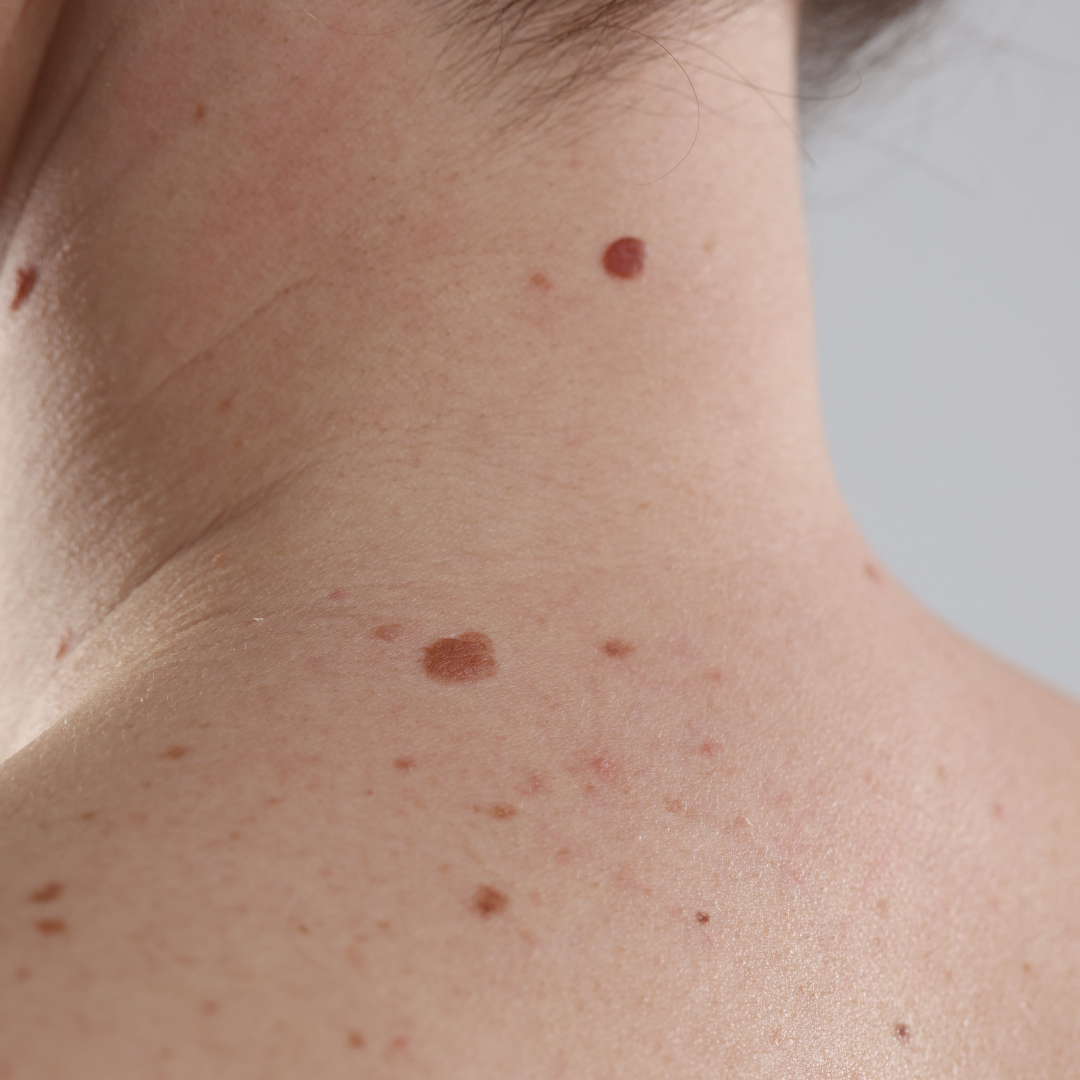
Mole and Lesion Removal

Procedure Time

15–30 minutes

Downtime

Minimal, 1–3 days

Healing Time

1–2 weeks

Results

Immediate, scar fades over months

Which moles and lesions
can be removed?

Dr. Anna offers a range of removal techniques — including shave excision, surgical excision with sutures, and electrosurgical or laser removal — selecting the right approach based on the lesion's size, depth, and whether a tissue sample is medically required.

  • Benign moles removed for cosmetic preference
  • Moles that catch on clothing, jewellery, or razors
  • Skin tags and seborrheic keratoses
  • Suspicious or changing lesions requiring biopsy
  • Cysts and other benign growths
  • Raised or irritated lesions causing ongoing discomfort
  • Lesions previously flagged during a skin cancer screening

How do I prepare
for removal?

Most removals are quick, in-office procedures performed under local anaesthetic, so preparation is straightforward. Dr. Anna will confirm the planned technique and any precautions specific to your lesion at consultation.

  • Inform Dr. Anna of any blood thinners, aspirin, or supplements you take
  • Disclose any bleeding disorders or history of keloid scarring
  • Avoid sun exposure or tanning on the area beforehand
  • Arrive with clean skin, free of makeup or lotion over the area
  • Plan for some downtime if the lesion is in a visible or active area
  • Ask about anaesthetic options if you have specific concerns

What is recovery
like?

Healing time depends on the technique used and the size of the lesion, but most patients are back to normal daily activities right away with simple wound care.

Day 0

Numbness Wears Off

As the local anaesthetic fades, mild soreness or tenderness at the site is normal and settles within a day or two.

Day 1–3

Initial Healing

Keep the dressing clean and dry. A scab or healing crust will begin to form over the wound.

Day 7–14

Sutures Removed

If stitches were used, they are typically removed at this stage, depending on the location and healing progress.

Week 2–6

Scar Settling

Redness and pigment at the site continue to fade as the scar matures and blends with surrounding skin.

How do I care for
the wound?

Gentle, consistent wound care gives you a good chance of a clean, minimal scar. Dr. Anna provides a written aftercare guide specific to the removal method used.

  • Keep the wound clean and apply the recommended healing ointment
  • Cover the area with a fresh dressing as advised until fully healed
  • Avoid picking or scratching at any scab or crust
  • Protect the area from sun exposure with clothing or SPF once healed
  • Avoid strenuous exercise or swimming if sutures are in place
  • Attend your follow-up appointment, especially if a sample was sent for biopsy
  • Contact the clinic if you notice increasing redness, swelling, or discharge

What are the risks
and side effects?

Any removal leaves a mark; the aim is the smallest, flattest one possible.

Related: skin cancer screening · scar treatment

Common

A scar

Usually fades over months; size depends on the lesion and method.

Common

Tenderness, minor bleeding

For a day or two.

Less common

Pigment change or regrowth

A mole removed by shaving can partly return.

Rare

Infection or a raised (keloid) scar

More likely on the chest, shoulders and in keloid-prone skin.

Check first

May not suit

A lesion that looks suspicious is first tested, not removed for cosmetic reasons; blood-thinning medicines and keloid history need discussing.

Frequently asked
questions

Will mole removal leave a scar?+

Some scarring is expected with any skin removal, though Dr. Anna selects techniques designed to minimise this and most scars fade significantly over several months. The size and final appearance depend on the lesion's depth and your skin's healing response.

Is a biopsy always performed?+

Not always. Lesions removed purely for cosmetic reasons with no suspicious features may not require analysis, but Dr. Anna routinely sends samples for laboratory testing whenever there's any uncertainty about a lesion's nature.

How is the removal method chosen?+

The choice depends on the lesion's size, depth, location, and whether tissue needs to be preserved intact for biopsy. Dr. Anna will explain the recommended approach and what to expect during your consultation.

Does the procedure hurt?+

Local anaesthetic is used to numb the area before removal, so the procedure itself is generally painless. Mild tenderness afterward is normal and typically resolves within a few days.

Can all moles be removed for cosmetic reasons?+

Most benign moles can be removed by choice. However, if a mole shows any features of concern, Dr. Anna will recommend it be treated as a medical removal with analysis, rather than a purely cosmetic one.

How much does mole removal cost in Dubai?+

The price depends on the number of moles, their size and location, the removal method and whether the mole is sent for testing, so it is set after Dr. Anna has assessed your skin and agreed a plan with you. You receive a personal quote at the consultation, before any treatment starts. Message the clinic on WhatsApp (+971 50 408 9909) to book a consultation.

Ready to address
your mole or lesion?

Book a consultation with Dr. Anna to discuss safe, precise removal.

Book a Consultation

This information is provided for general educational purposes and does not constitute medical advice. Individual results and suitability vary — a personalised assessment with Dr. Anna is required before any treatment.

Dr. Anna Lisniak, Specialist Dermatologist (DHA licence 77231337-006). Last updated 8 November 2026.