Walk down any skincare aisle and you'll be met with a wall of promises — "anti-ageing," "youth-renewing," "wrinkle-defying." Most of it is noise. But underneath the marketing, there is a small handful of ingredients with real, well-documented evidence behind them. Building a routine around these — rather than chasing the latest viral product — is the most reliable way to support your skin as it ages.
Retinoids: the closest thing to a gold standard
Retinoids, derived from vitamin A, remain the most researched ingredient in anti-ageing skincare. They work by accelerating cell turnover and stimulating collagen production, which over time softens fine lines, refines texture, and improves tone. Over-the-counter retinol is gentler and slower-acting; prescription-strength tretinoin works faster but requires a more gradual introduction to avoid irritation.
- Start slow. Two to three nights a week is enough when introducing a retinoid, building up as your skin adjusts.
- Always pair with SPF. Retinoids increase sun sensitivity, making daytime sunscreen non-negotiable.
- Avoid mixing carelessly. Combining retinoids with strong exfoliating acids on the same night often does more harm than good.
Vitamin C: your morning defence
Where retinoids work at night, vitamin C is best used in the morning. As a potent antioxidant, it helps neutralise free radical damage from UV exposure and pollution — the environmental stressors that break down collagen over time. It also has a genuine brightening effect, fading the look of dullness and uneven pigmentation with consistent use.
The most effective anti-ageing routine isn't the most expensive one — it's the one that pairs a small set of proven actives with genuine consistency.
Peptides and hyaluronic acid: support, not spectacle
Peptides are short chains of amino acids that signal skin to repair itself and produce more collagen. They're gentle enough to layer with almost anything, making them a useful addition for skin that can't yet tolerate a retinoid. Hyaluronic acid, meanwhile, does something different entirely — it draws moisture into the skin, plumping fine lines and restoring a bounce that thinner, drier skin tends to lose with age.
What I tell patients in consultation
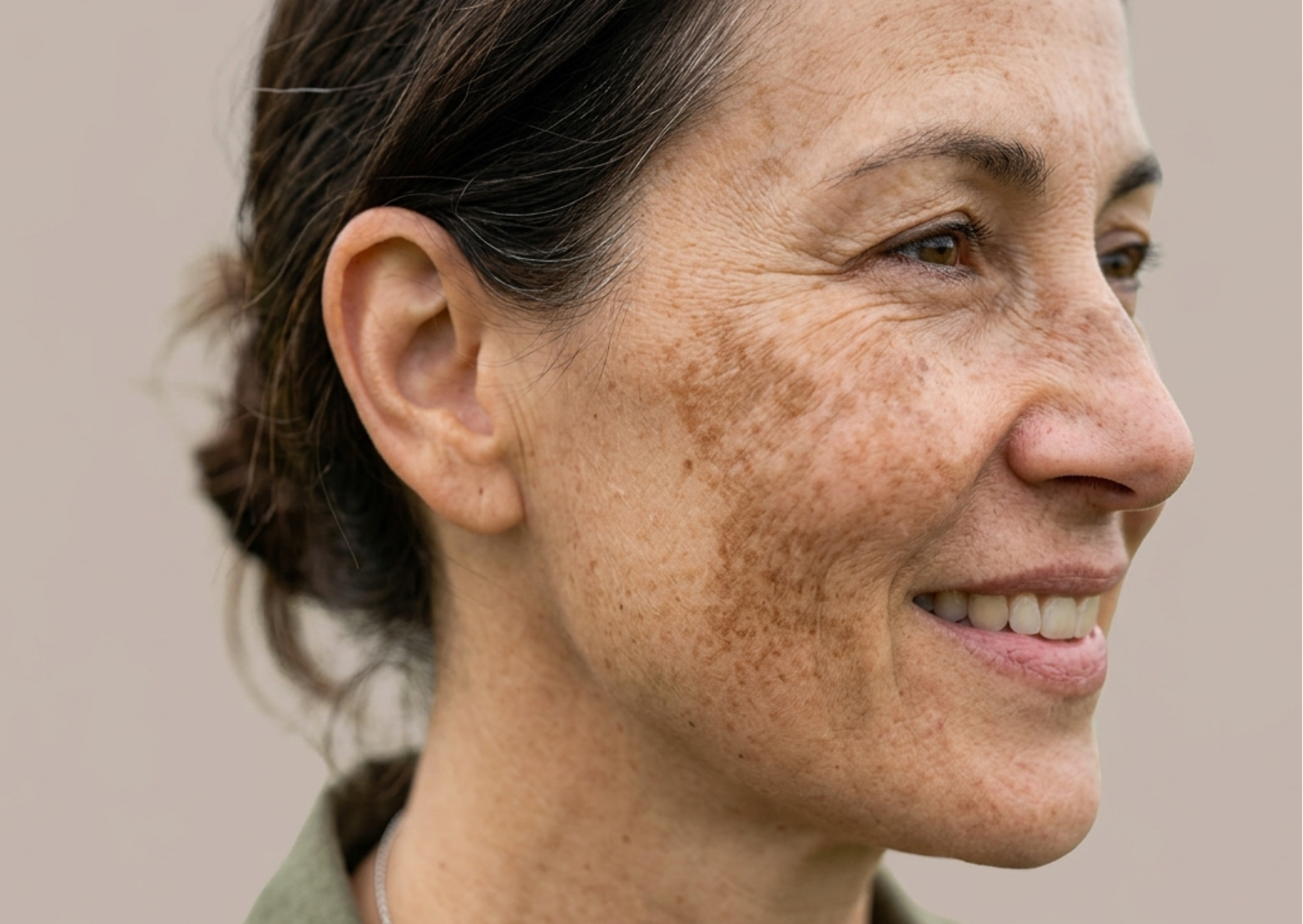
The ingredient that matters most isn't on this list at all — it's sunscreen. UV exposure remains the single biggest driver of visible skin ageing, breaking down collagen and triggering the pigmentation and roughness we associate with older-looking skin. A broad-spectrum SPF, applied daily and reapplied outdoors, does more preventative work than any serum.
Building a routine that actually works
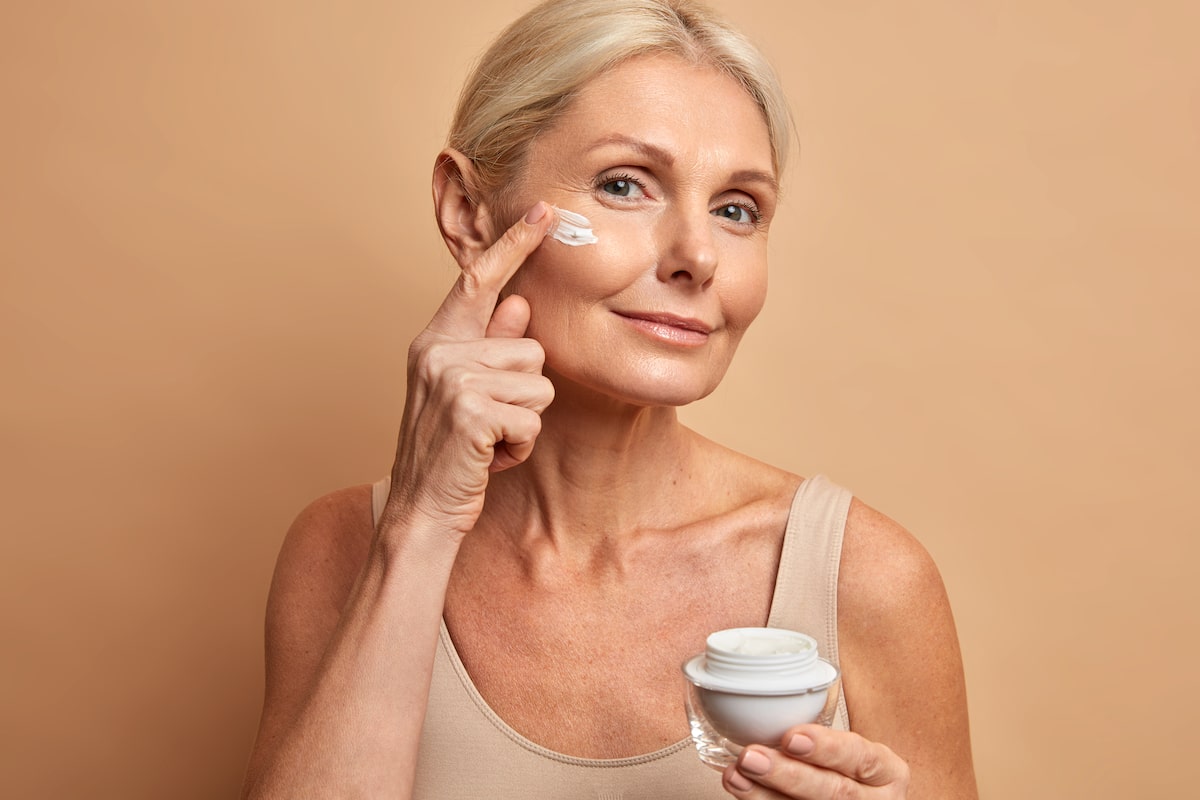
Rather than layering every trending ingredient at once, I recommend patients build gradually: sunscreen every morning, a vitamin C serum layered underneath it, and a retinoid introduced slowly at night. Once that foundation is tolerated well, peptides and hyaluronic acid can be added to round out hydration and support. Ageing well isn't about doing everything — it's about doing the right few things, consistently, for years rather than weeks.