Injectables & Aesthetic Enhancements
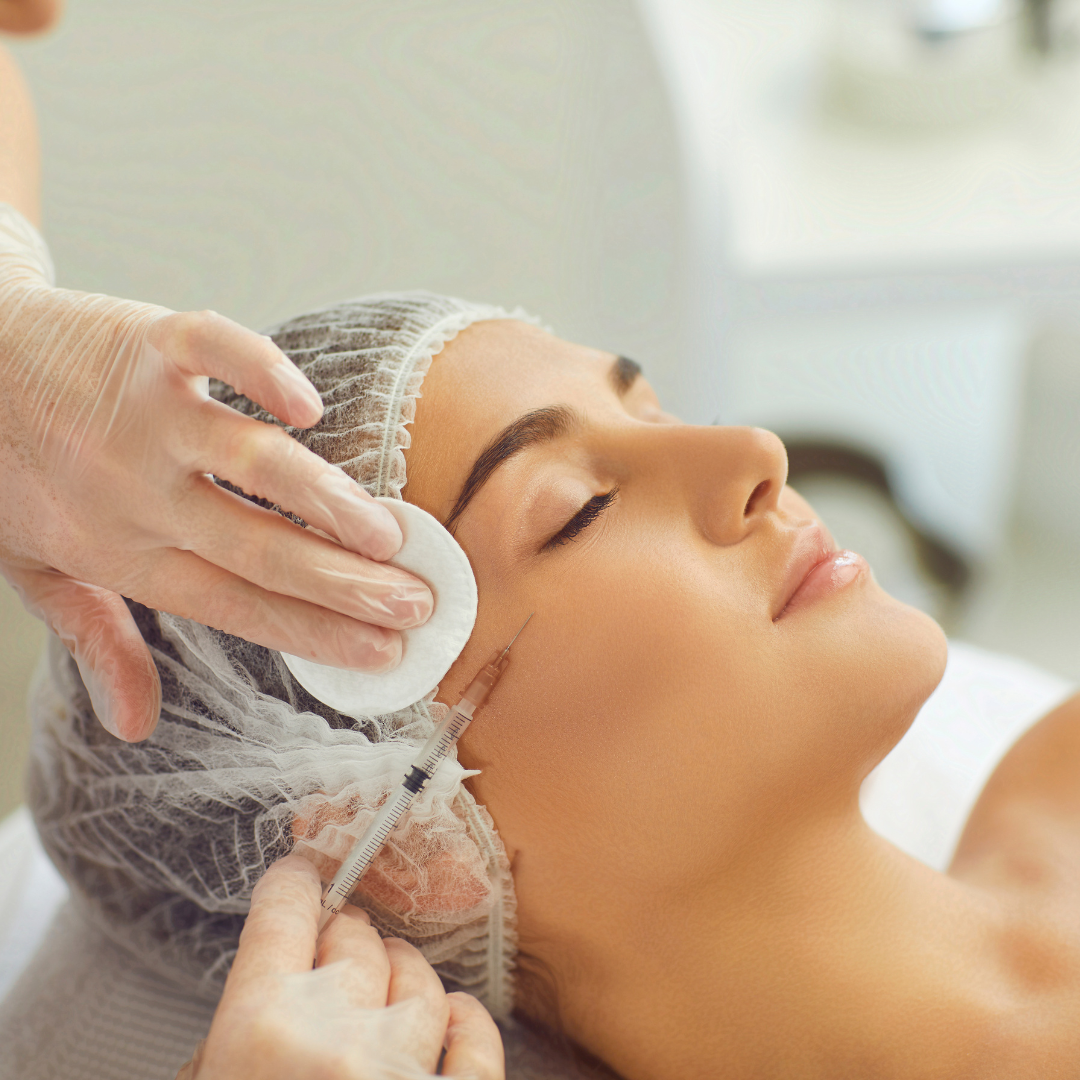
Profhilo, Polynucleotides, PRP, and more — regenerative treatments that restore hydration, elasticity, and a healthy glow from within, using your skin's own biology to drive results. Most patients need 2–3 sessions, with 0–1 day of downtime, and results show in 2–4 weeks. Dr. Anna Lisniak, specialist dermatologist, treats patients at Fayy Health, One Central, Dubai.
Book a Consultation
Sessions Needed
2–3 sessions
Downtime
0–1 day
Results Visible
2–4 weeks
Results Last
6–12 months
What It Treats
Unlike traditional fillers, skin boosters and PRP work by improving the skin's underlying quality — hydration, elasticity, and radiance — rather than adding volume. Many patients combine them with other treatments for a holistic refresh.
Before Your Treatment
A little preparation goes a long way toward a comfortable session and optimal results. Dr. Anna will go over a personalised pre-care plan during your consultation — but here's what to generally expect.
After Your Treatment
Small bumps at the injection points usually flatten within a day, and any bruising fades within a week. Here's a general idea of what to expect.
Tiny raised bumps at injection points are normal and typically flatten within 24–48 hours as the product disperses.
Minor bruising may appear at injection sites, particularly with PRP, and fades naturally within a few days.
Skin begins to feel more hydrated and look subtly more radiant as the treatment starts to take effect.
Collagen stimulation and hydration improvements become fully visible, with skin appearing plumper and smoother.
Aftercare
Following the aftercare plan closely is one of the biggest factors in how well your skin heals and how long your results last. Dr. Anna provides a full written aftercare guide after every session.
Risks & Suitability
Skin boosters and PRP are injected in many small points, so bumps and bruising are the main effects.
Related: PRP and PRF · mesotherapy · collagen biostimulators
Usually flatten within 24 hours.
Fades within about a week.
Polynucleotides come from fish DNA, so tell Dr. Anna about any fish allergy.
Pregnancy or breastfeeding; an active skin infection or cold sore at the injection site; bleeding disorders or blood-thinning medicines; known allergy to any ingredient. Tell Dr. Anna about these and any medicines you take. PRP may not suit people with low platelets or blood disorders.
Good to Know
Skin boosters use hyaluronic acid-based products (like Profhilo) to hydrate from within, while PRP uses your own blood plasma's growth factors to stimulate natural skin renewal. Both can be combined.
Most protocols recommend an initial series of 2–3 sessions spaced 3–4 weeks apart, followed by periodic maintenance treatments.
No — unlike traditional fillers, skin boosters and PRP are designed to improve skin quality and hydration rather than add structural volume.
Yes, PRP uses a concentrated portion of your own blood plasma, making it a very low-risk option with minimal chance of allergic reaction.
Subtle improvements in hydration are often visible within the first 1–2 weeks, with fuller results developing over 4–6 weeks as collagen production increases.
Book a consultation with Dr. Anna to find the right regenerative treatment for you.
This information is provided for general educational purposes and does not constitute medical advice. Individual results and suitability vary — a personalised assessment with Dr. Anna is required before any treatment.
Dr. Anna Lisniak, Specialist Dermatologist (DHA licence 77231337-006). Last updated 8 November 2026.